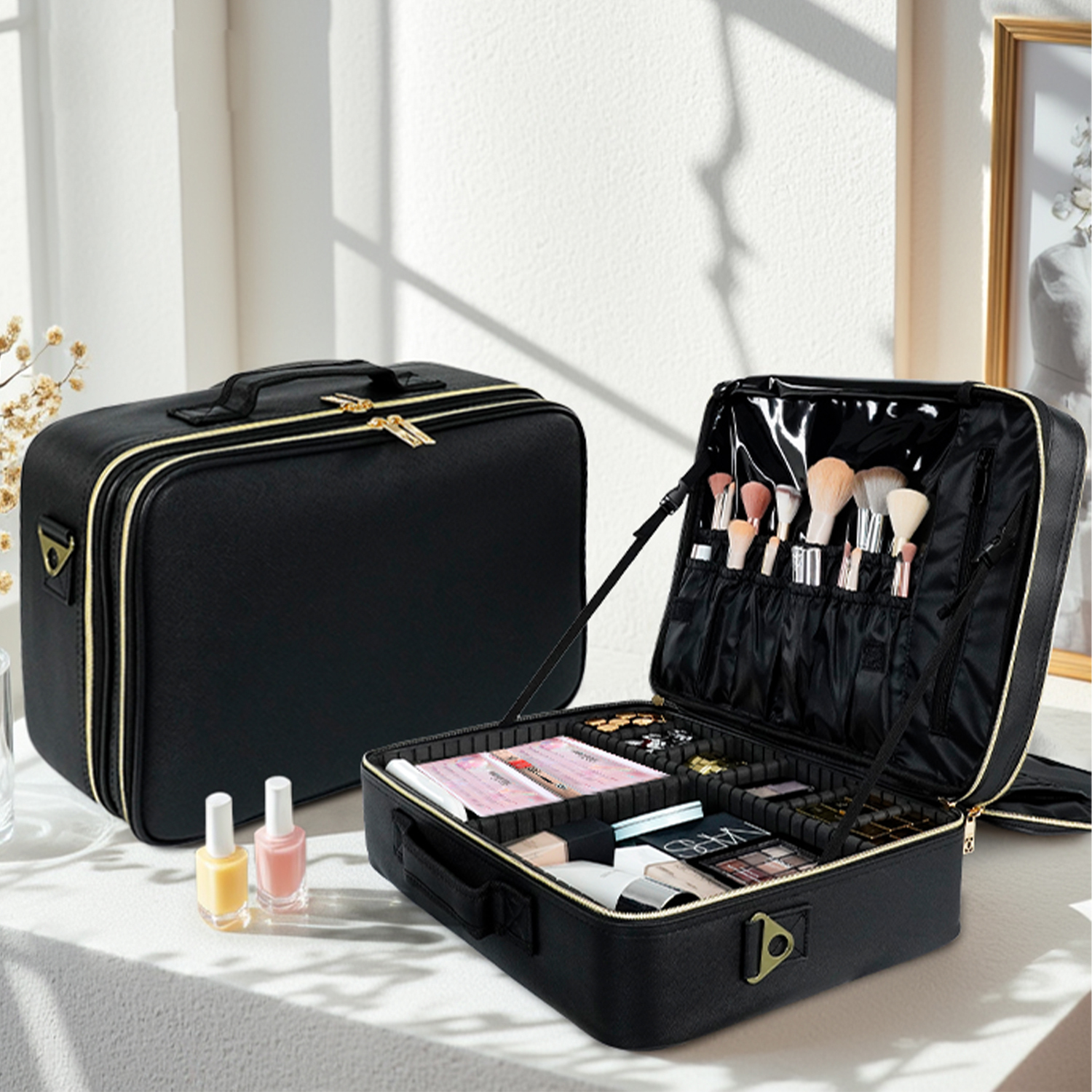
how to use nail drill
Nail art has taken the beauty world by storm, and for good reason. The ability to create stunning designs and maintain healthy nails is a skill that many aspire to master. One of the essential tools in achieving professional-looking nails at home is the nail drill. This guide will delve into how to use a nail drill effectively, ensuring your nails look their best while also providing practical tips and tricks to enhance your nail care routine.
Understanding the Nail Drill
Before diving into the specifics of usage, it’s important to understand what a nail drill is and how it functions. A nail drill, or electric nail file, is a device that uses a rotating bit to file, shape, and buff nails. Unlike traditional manual filing, a nail drill allows for faster and more precise work, making it a favorite among both professionals and DIY nail enthusiasts.
Types of Nail Drills
Nail drills come in various types, each designed for different purposes. Here are the most common types:
- Electric Nail Drills: These are powered by electricity and typically offer multiple speed settings, making them versatile for different tasks.
- Rechargeable Nail Drills: Ideal for those who prefer portability, these drills run on batteries and are great for on-the-go nail care.
- Professional Nail Drills: Designed for salon use, these drills often come with a wider range of attachments and higher power for more demanding tasks.
How to Use a Nail Drill
Using a nail drill may seem daunting at first, but with practice, you will find it becomes second nature. Follow these steps to ensure safe and effective usage:
1. Prepare Your Nails
Before using the nail drill, it’s essential to prepare your nails properly. Start with clean, dry nails. Remove any polish and ensure there is no debris on the nail surface. If you’re working on acrylic or gel nails, use a buffer to gently file the top layer before using the drill.
2. Choose the Right Bit
Nail drill bits come in various shapes and materials, each serving a specific purpose. Here are some common types:
- Mandrel Bits: Used for sanding bands, great for smoothing and refining surfaces.
- Filing Bits: Ideal for shaping natural nails and acrylics.
- Buffing Bits: Perfect for giving nails a smooth, shiny finish.
Choosing the right bit for your task is crucial. For instance, if you’re looking to remove gel polish, a finer bit may work better, while a coarser bit is suitable for shaping acrylics.
3. Adjust the Speed
Most nail drills come with adjustable speed settings. For beginners, it’s advisable to start at a lower speed to gain confidence and control. As you become more comfortable, you can gradually increase the speed based on the task at hand.
4. Using the Drill
When using the drill, hold it like a pen for better control. Keep the drill perpendicular to the nail surface and move it in gentle, sweeping motions. Avoid pressing too hard as this can damage the nail. Always let the drill do the work and maintain a steady hand to achieve the best results.
5. Clean Up
After using the drill, it’s important to clean your nails. Brush off any dust created during the filing process and wash your hands thoroughly. If you used the drill on acrylics or gels, you may want to apply a nourishing oil or moisturizer to keep your nails healthy.
Safety Tips for Using a Nail Drill
While nail drills are safe when used correctly, it’s vital to follow these safety tips:
- Always use the appropriate bit for the task.
- Do not apply excessive pressure while drilling.
- Keep the drill moving to avoid overheating.
- Wear a dust mask to avoid inhaling nail dust.
Common Mistakes to Avoid
Even seasoned users can make mistakes while using a nail drill. Here are some common pitfalls to steer clear of:
- Using the Wrong Bit: Always ensure you’re using the correct bit for the job to avoid damage.
- Neglecting Nail Prep: Skipping nail prep can lead to uneven filing and poor results.
- Overusing the Drill: Frequent use can weaken the nails. Balance your routine with manual filing and buffing.
Maintenance of Your Nail Drill
To prolong the life of your nail drill and ensure optimal performance, regular maintenance is necessary:
- Clean the Bits: After each use, clean your drill bits with a brush and disinfect them to prevent bacterial growth.
- Store Properly: Keep your drill in a cool, dry place and avoid exposing it to moisture.
- Check Electrical Components: Regularly inspect the power cord and connections for any signs of wear or damage.
Where to Buy Quality Nail Drills
Investing in a quality nail drill is crucial for achieving the desired results. Consider purchasing from reputable brands known for their durability and effectiveness. Websites like OBeautyCase offer a variety of nail drills that cater to all skill levels, ensuring you find one that meets your needs.
Conclusion
Mastering the use of a nail drill opens up a world of possibilities for nail care and artistry. By following the guidelines outlined in this article, you’ll not only enhance your skills but also maintain the health of your nails. Remember to practice regularly and keep learning about new techniques and tools available in the market. Happy drilling!
- What is a nail drill used for?
- A nail drill is used for filing, shaping, and buffing nails quickly and efficiently, providing a professional finish.
- Can I use a nail drill on natural nails?
- Yes, nail drills can be used on natural nails, but it’s important to use the correct bit and speed to avoid damage.
- How often should I clean my nail drill bits?
- You should clean your nail drill bits after each use to maintain hygiene and prolong their lifespan.
- Is it safe to use a nail drill at home?
- Yes, it is safe to use a nail drill at home if you follow the proper instructions and safety precautions.